
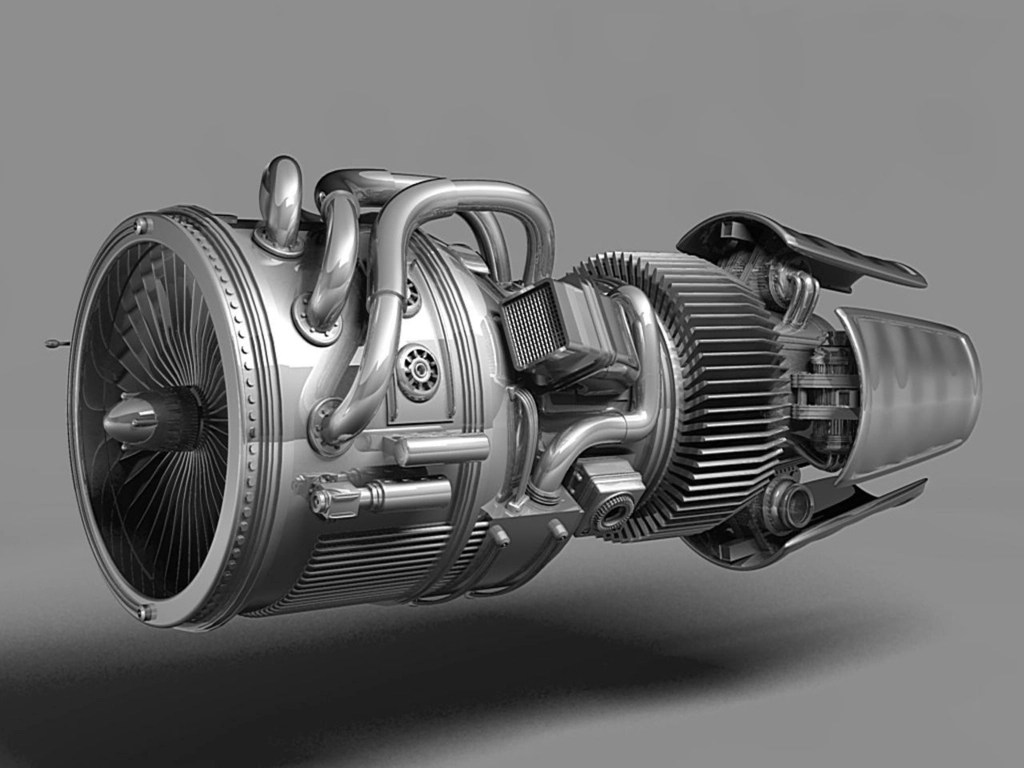
All jet engines, which are also called gas turbines, work on the same principle. The engine sucks air in at the front with a fan. A compressor raises the pressure of the air. The compressor is made with many blades attached to a shaft. Now with all jet engines we have a (Fan, compressor, combuster, turbine and nozzle) which to covert one of these attached onto a plane with a alternate or tandem RPM and not hinder flight would be a great piece of machinery to create.
A on board computer with AI calibrations would have to keep the device in check as to not disrupt the flight.. Most jet engines, main shaft, rotates about 13 to 15,000 RPM at full power during climbout. This is slowed down to 8,000 to 10,000 for cruising. So this device would run in tandem with the hydrogen powered engines during flight. Passing air a GE90 would need 33,3kgs of air to combust 1kg of fuel? Removing the fuel on a separate device and having a engine for the soley purpose of carbon capture well how much carbon can be collected within the parameters of flight hours?
Initially I would scrap the combuster area as the device attached to a plane wouldn’t be the purpose of thrusting the plane into the air or for travelling.. C02 sensors within the area would trigger one way valves to let the C02 contaminated air in, leading to a area I would call the C02 possessing area. (CPA unit) hopefully already created by MIT. The main reason for the sensors is cause passing through the troposphere some areas would be frequent whilst other areas are not and with the aid of satellites well if the plane could run without a pilot that be great. Also tracking where the C02 resides would great for directing the plane in the direction to collect.
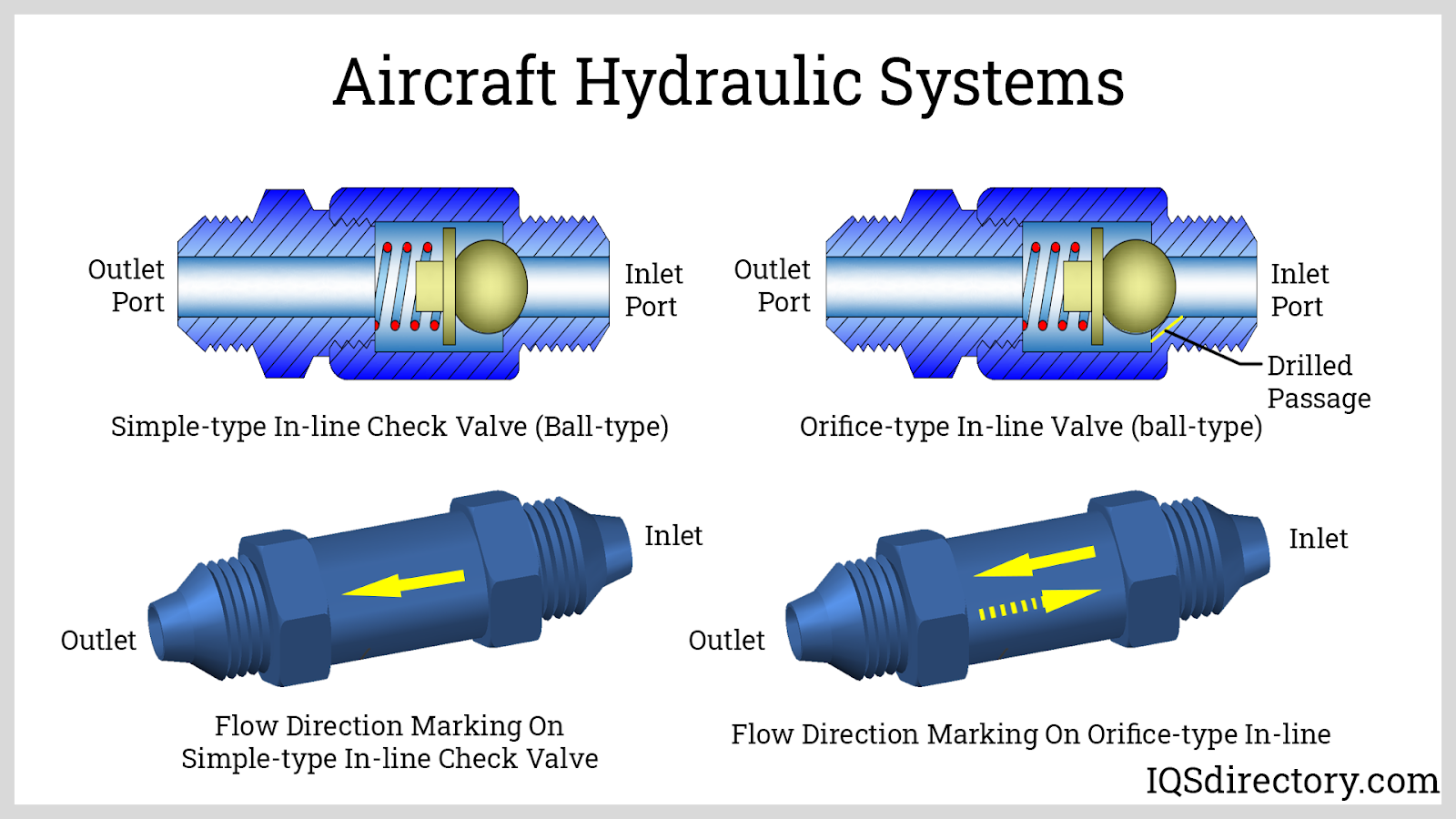
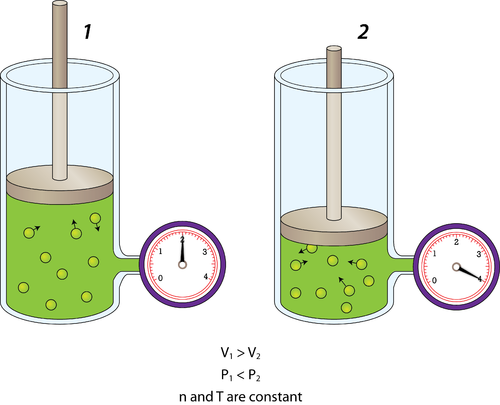

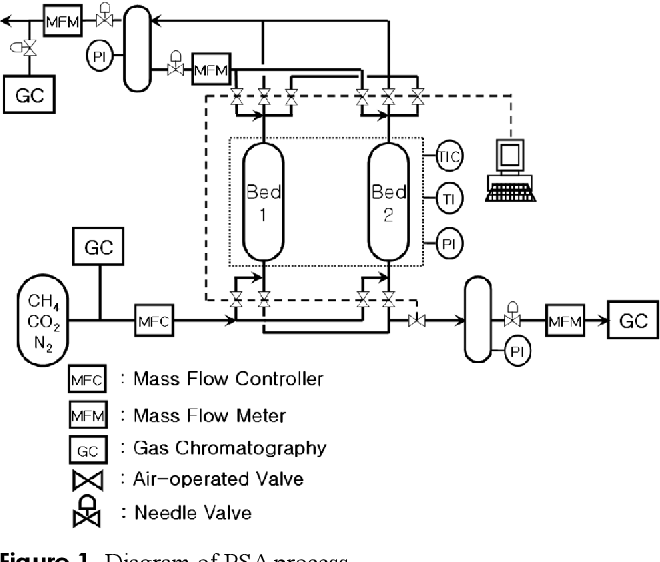
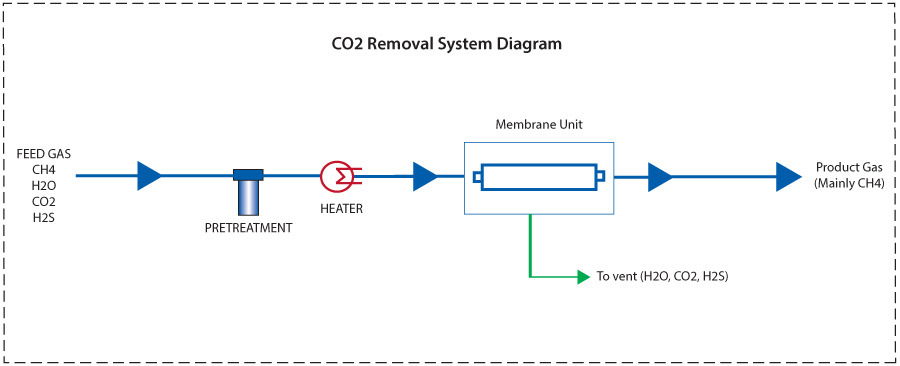

(CPA UNIT) would be at the Central Point of the plane for the allocation of the C02! Now in the (CPA UNIT) that’s where the magic would happen!
The efficency of the C02 separation within the C02 processing area, would have to be top notch and which would be the full length of the plane preferabley a large jet, and based on verious diagrams as you see above you can see where I’ve been looking and for extra incentive, MiT have made a device using a compound polyanthraquinone and two Chambers so if its a efficiently timed device, it be perfect to run with the modified engine and help clean our sky’s!
The price of the modified engine may be comparable to that of the original engine which would be $140 million per unit. Maby more as it depends on how badly do we want this climate change to stop.
Quite remarkably there be meny dormant engines in airplane graveyards not being used no more so starting off would be cheap enough for a billionaire to actually try out this idea!
Although I’ve got experience in tinkering with motorcycle parts and verious other trades raw practice not educated purely exploration. I’m not wealthy enough to obtain my own workshop and computer software to have simulations of the devices and ideas in my head to come to fruition. If Bezos, Musk and Branson would explore possibilities of this idea it would be interesting. Especially other country’s that may be watching such as Russia and China with their tech advances in the decades ahead.
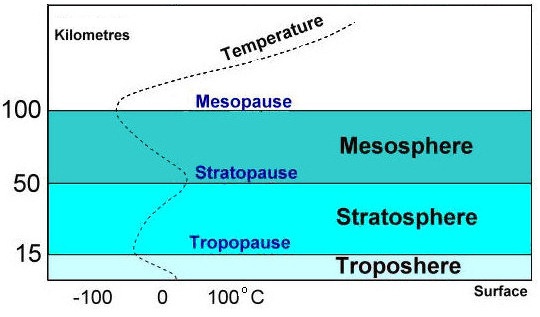
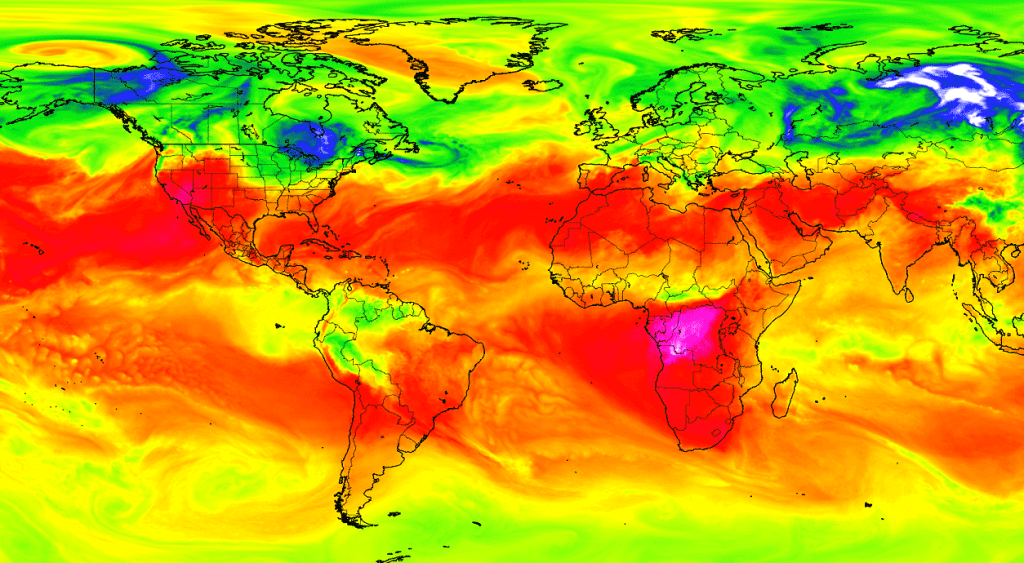
The troposphere is between 5 and 9 miles (8 and 14 kilometers) thick depending on where you are on Earth. Now with the aid of satellites in our sky’s we would know the natural flow patterns of the C02 in the troposphere which meny say atmosphere is uneducated as there is layers to the atmosphere.. Mid troposphere is where the most concentration of C02 is situated! The highest concentration of C02 should show in the northan hemisphere of earth and quite conveniently lines up with all the major contributors of fossil fuel pollution. Although with the map at the bottom of the page, it seems to flow in the southern hemisphere aswell depending on weather patterns.
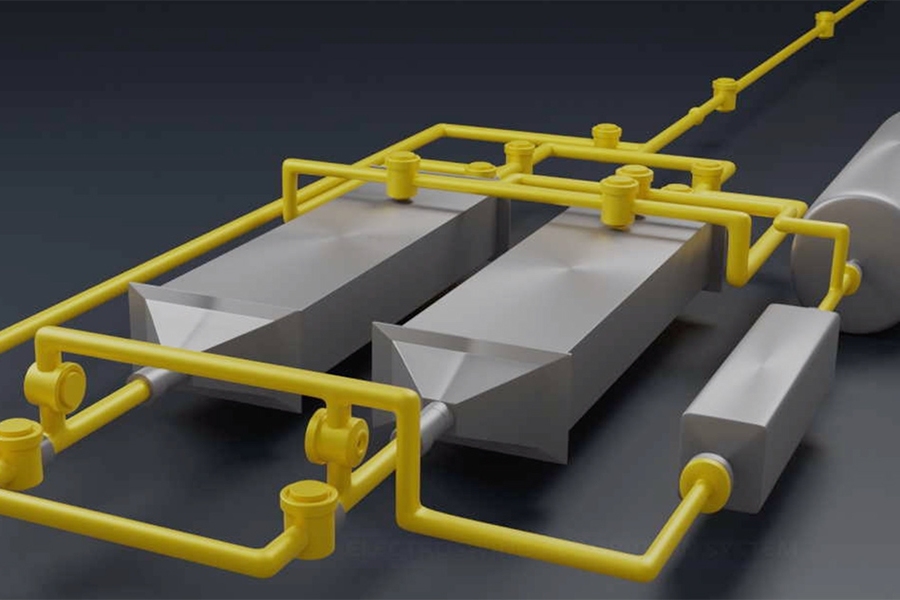
Picture the scientists face thinking wow my invention is in the sky’s now..
“The greatest advantage of this technology over most other carbon capture or carbon absorbing technologies is the binary nature of the adsorbent’s affinity to carbon dioxide,” explains Voskian. In other words, the electrode material, by its nature, “has either a high affinity or no affinity whatsoever,” depending on the battery’s state of charging or discharging. Other reactions used for carbon capture require intermediate chemical processing steps or the input of significant energy such as heat, or pressure differences.
“This binary affinity allows capture of carbon dioxide from any concentration, including 400 parts per million, and allows its release into any carrier stream, including 100 percent CO2,” Voskian says. That is, as any gas flows through the stack of these flat electrochemical cells, during the release step the captured carbon dioxide will be carried along with it. For example, if the desired end-product is pure carbon dioxide to be used in the carbonation of beverages, then a stream of the pure gas can be blown through the plates. The captured gas is then released from the plates and joins the stream.


 QUES
QUES 